
Fire Consultancy

External Wall & Cladding Safety
FRAEW / PAS 9980 • EWS1 • Façade Remediation
Ensuring the safety of a building’s external walls is now a core legal duty for owners, landlords and managing agents. Our assessments are evidence‑based, proportionate and aligned with the Fire Safety Act 2021, PAS 9980 and current lender expectations.

FRAEW (Fire Risk Appraisal of External Walls) – PAS 9980
A FRAEW evaluates how fire could spread over or within a building’s external walls and identifies whether remediation is required.
What we assess
- External wall materials, insulation and fire barriers
- Cladding systems, fixings and workmanship
- Balconies, windows, attachments and interfaces
- Invasive sampling where required
- PAS 9980 risk rating and recommended actions
Why it matters
A FRAEW supports legal compliance, informs the Fire Risk Assessment, and provides a defensible basis for decision‑making.
Our approach
- Chartered, competent assessors
- Full site inspection (never desktop‑only)
- Fire engineering input to refine risk ratings
- Ability to procure and manage façade remediation teams
EWS1 External Wall Surveys
An EWS1 Form provides lenders and valuers with confirmation that a building’s external wall system has been assessed by a suitably qualified professional.
Key points
- Applies to residential buildings of any height where concerns exist
- One assessment per building, valid for five years
- Must be completed by a chartered, competent professional
- Supports mortgage lending, sales and refinancing
Our service
- Detailed on‑site inspection
- Clear reporting and EWS1 certification
- Cost‑effective remediation advice
- Access to specialist façade design teams
Façade Remediation Support
Where remediation is required, we assemble and manage a specialist design team to deliver a compliant, cost‑effective solution.
Support includes
- Scope definition and design team procurement
- Coordination of fire engineers, façade specialists and contractors
- Oversight of works to ensure compliance and quality
- Handover documentation aligned with Regulation 38
Government Guidance
The most authoritative guidance for FRAEW and PAS 9980 comes from the Department for Levelling Up, Housing & Communities (DLUHC). These documents explain how FRAEWs must be commissioned and how PAS 9980 should be applied.
Annex D: Guidance for Applicants for Fire Risk Appraisal of External Walls (FRAEW) — explains how responsible entities should obtain and use FRAEWs, including Building Safety Fund requirements. https://www.gov.uk/government/publications/building-safety-fund-guidance-for-new-applications-2022/annex-d-guidance-for-applicants-for-fire-risk-appraisal-of-external-walls
Annex A: Technical Guidance for Applicants Applying via PAS 9980 — sets out how PAS 9980:2022 should be applied and when an FRAEW is required. https://www.gov.uk/government/publications/building-safety-fund-guidance-for-new-applications-2022/annex-a-technical-guidance-for-applicants-of-building-safety-funding-applying-for-funding-via-pas-99802022
Building Safety Act Compliance
Building Safety Case • Safety Case File • High‑Rise Duties
High‑rise residential buildings now require a structured, evidence‑based approach to fire and structural safety. We help dutyholders meet their obligations under the Building Safety Act 2022 and demonstrate that risks are being actively managed.

Building Safety Case (BSC)
A Building Safety Case sets out how fire and structural risks are identified, managed and monitored.
What a BSC includes
- Building description and construction details
- Fire and structural safety systems
- Risk assessment and mitigation strategy
- Competence and accountability records
- Maintenance, inspection and monitoring arrangements
- Evacuation strategy and resident information
Benefits
- Legal compliance with the Building Safety Act
- Clear evidence for the Building Safety Regulator
- Increased resident confidence
- Proactive risk management and reduced liability
Safety Case File
We assemble the full Safety Case File required for submission to the Regulator.
Typical contents
- As‑built information and historical records
- Fire strategy and structural safety information
- Inspection and maintenance logs
- Resident engagement and communication plans
- Evidence of competence and governance
Government Guidance
For high‑rise duties, Safety Case Files and Building Assessment Certificates, the most relevant government guidance is published through the Building Safety Regulator (via GOV.UK). The Building Safety Fund guidance also provides context for external wall remediation obligations.
Building Safety Fund guidance — outlines how life‑safety fire risks associated with cladding are assessed and funded, including expectations around FRAEW evidence.Building Safety Fund guidance for existing applications registered 2020
Fire Risk Assessments
FRA Types 1–4 • High‑Rise Duties • Action Plans
We deliver proportionate, standards‑aligned Fire Risk Assessments for residential, commercial and mixed‑use buildings.
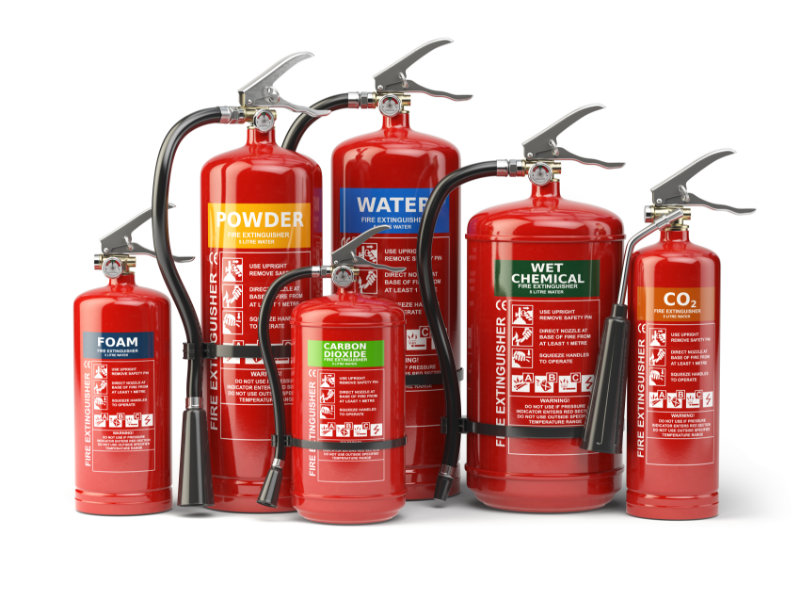
What you receive
- Executive summary with risk rating and priority actions
- Clear FRA type (1–4) and scope
- Review of construction, external walls and escape routes
- Assessment of life safety systems and maintenance records
- Evaluation of management, evacuation strategy and competence
- Prioritised action plan with timescales
- Review frequency and triggers for earlier reassessment
FRA Types (Housing)
- Type 1 — Common parts, non‑intrusive
- Type 2 — Common parts, intrusive
- Type 3 — Common parts + dwellings, non‑intrusive
- Type 4 — Common parts + dwellings, intrusive
High‑Rise Duties
For taller or higher‑risk buildings, we verify:
- Firefighting access, lifts, hydrants and smoke control
- Wayfinding signage and floor identification
- Secure Information Boxes
- Evacuation Alert Systems
Passive Fire Protection
Compartmentation • Fire Doors • Fire Stopping
Passive fire protection is essential for containing fire and smoke, protecting escape routes and limiting damage.
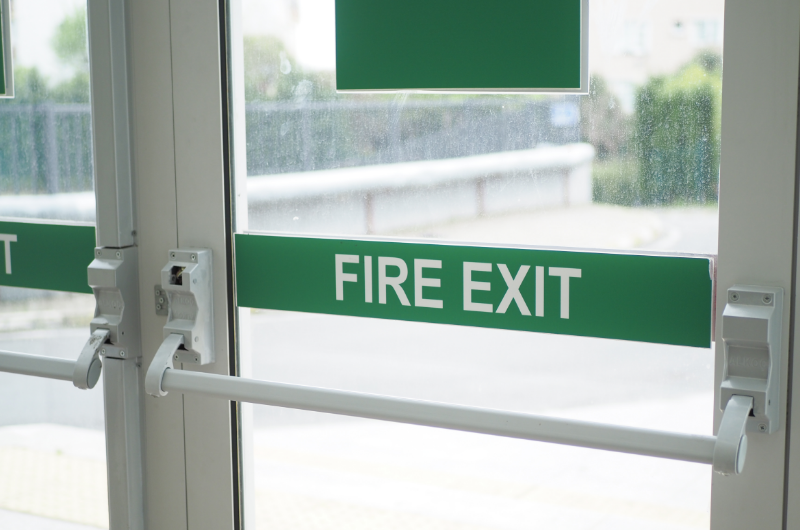
Fire Compartmentation Surveys
We assess whether walls, floors, ceilings and fire stopping systems will prevent fire and smoke spread.
What we assess
- Integrity of compartment walls, floors and ceilings
- Fire‑resistant materials and construction
- Penetrations for services (cables, pipes, ducts)
- Fire stopping systems and defects
- Fire doors, frames, seals and hardware
Deliverables
- Detailed report with photos and diagrams
- Clear list of defects and recommended actions
- Project management support for remedial works
- Confirmation of compliance once works are complete
Fire Door Surveys
Fire doors are critical to life safety and must be correctly installed and maintained.
What we check
- Door leaf and frame condition
- Intumescent and smoke seals
- Hinges, closers and hardware
- Gaps and clearances
- Certification and installation quality
Why it matters
- Required under the Fire Safety Order 2005 and Fire Safety Act 2021
- Protects escape routes and reduces fire spread
- Supports compliance, insurance and resident safety
- Provides a clear basis for maintenance planning and budgeting

Cladding For Surveyors
RICS - Supplementary information paper to Valuation of
properties in multi-storey, multi-occupancy residential
buildings, RICS guidance note
1st edition, March 2021
DOWNLOAD THE FULL DOCUMENT HERE